Curious spaces
I mourn the end of that pre-smartphone world. Getting reliable information was harder, but the journey to find it taught us everything.

I've been thinking a lot recently about the Before Times vs now. Perhaps it's because I'm in my middle age, and one tends to grow nostalgic about the years when the world seemed bigger, less knowable, more ready to be explored.
I backpacked around the world in 2006, just a year before my tech career began in earnest. It was also one year before Steve Jobs walked onto a stage and introduced a widescreen iPod with touch controls, a revolutionary mobile phone, and a breakthrough internet communicator—not as three separate devices, but as one. That single object now dominates our waking and sleeping moments.
After the highs of the Tibetan Plateau, my girlfriend at the time—now my wife, Christen—figured we should keep to the land route and cross into Laos. We were flying blind; we knew nothing about the country except for what we gleaned from a bootlegged photocopy of a Lonely Planet guidebook.
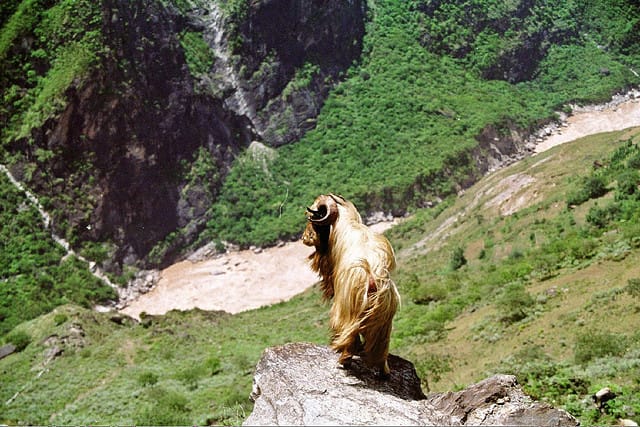
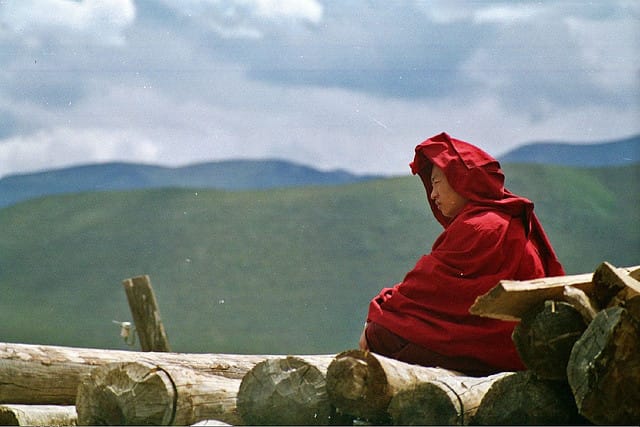
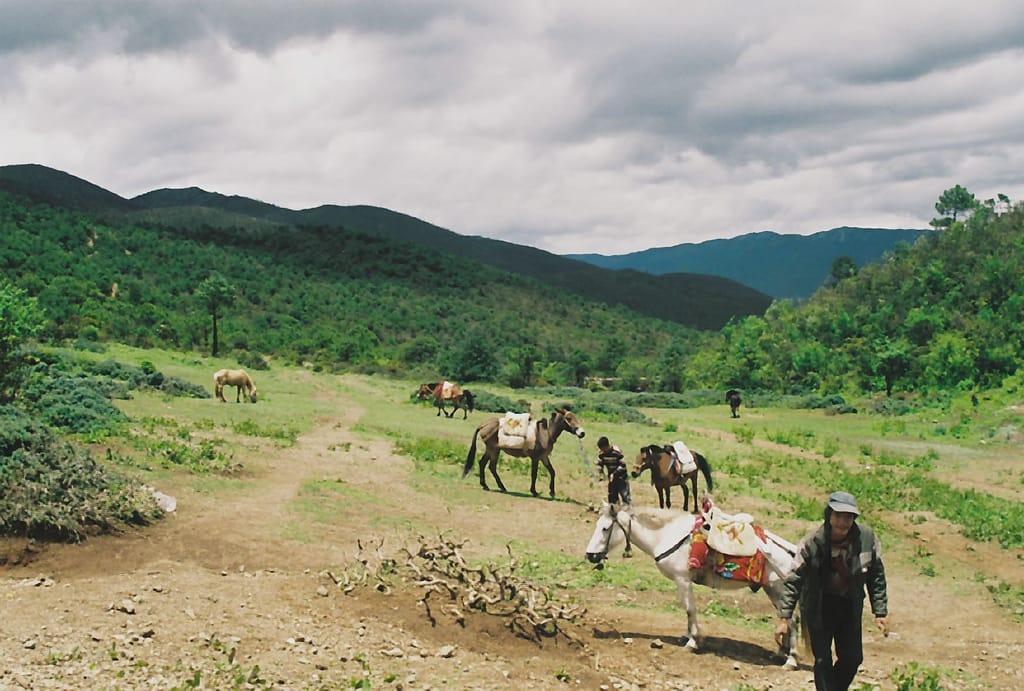
Remote China
We had no maps but the static paper ones in the book. We had no visas, which marooned us in Kunming for two weeks while we waited for the stamps. There were no websites to refresh, no status bars to watch. There was only the physical ritual of walking to the consulate every few days to see if the bored-looking men behind the counter had processed our application.
Unluckily for us, the World Cup was on. To this day, I’m convinced those guys waited for the semifinals to end before they deigned to process the requests of a few bedraggled travelers.
But luckily for us, the delay gave us ample time to thumb through that guide, where we learned a crucial detail: Laos had no ATMs. Venmo? Not even a glimmer in anyone's brains. We had to figure out an expected budget before we entered the country. We got cash wired to the single Western Union in the city.
When Christen fell sick, we didn't have a translation app to fortify our broken Chinese. Asking locals for directions to a clinic for antibiotics led us instead to a grimy hospital where the staff, suspicious of two wandering foreigners, wanted to quarantine us for fear of contagious disease.
It wasn't all bad. We discovered the famous Yunnanese Crossing-the-Bridge noodles by following our noses and eyes and ears - no Google Maps or Yelp then; but also no decision paralysis from reviews and star ratings.
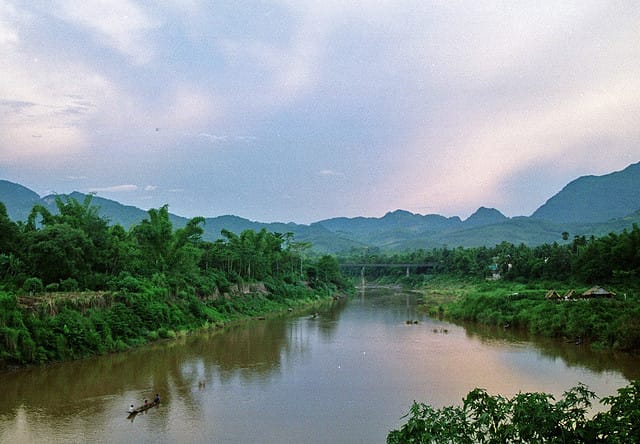
When the bus dropped us off at the Luang Namtha depot in northern Laos, we had no idea what was in store for us. There was no web research, no influencers to follow, no Instagram posts, no Tik Tok videos. No agenda. We asked around. We trusted our gut. How would we get to Luang Prabang, which we had heard so much about from other travelers but haven't seen any photos of? Go by boat, with the risk that we could get stuck because the water level was too low on the river? Or go by bus, risking an trip across the mountains.
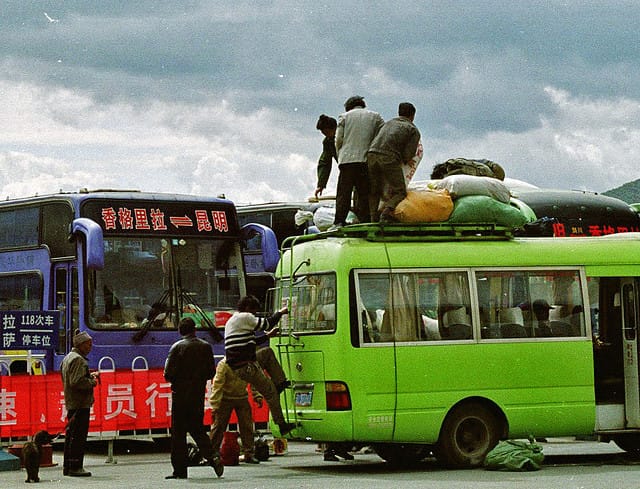
The bus ride was hellish. An expected eight-hour journey that morphed into a thirteen-hour ordeal caked in mud and dirt. Jammed with livestock, we discovered the local taste for sticky rice and purple corn. We also discovered that some of our fellow passengers were possible drug smugglers from Myanmar, a fact we realized only after they were frog-marched off the bus by soldiers at a checkpoint.I learned about the Golden Triangle from fellow passengers, not from Wikipedia.
In those months, the world felt unexplored because the information wasn't already in our pockets. We were forced to leap into the unknown.
We saw villagers handing out packets of rice to monks before each daybreak, their saffron robes floated like phantasms in the morning mist.
We wandered through night markets, buying the paper Christmas ornaments that still hang on our tree every December. We savored our first bites of simply grilled lemongrass river fish—a memory that lingers stubbornly, a taste I cannot replicate no matter how many recipes I Google today.
We experienced our first Southeast Asian monsoon rains—heavy, clattering, and wet—and learned to hitch rides on wagons manned by pre-adolescent boys to escape the downpour. We slept in camps next to elephants. We stumbled into a hotel as a treat after months of rough travel, only to learn it had once been a prince's holiday lodge.

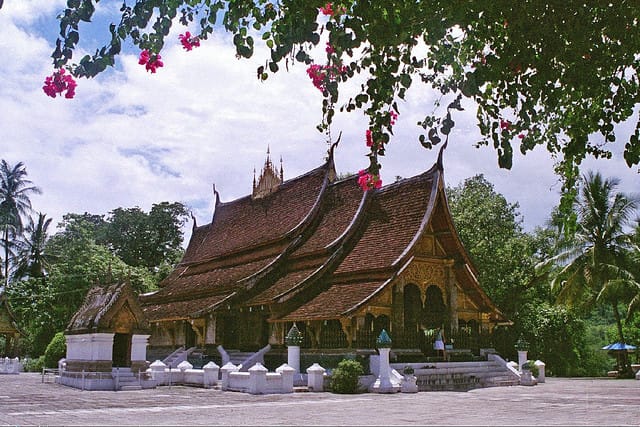

I remember that year vividly because my mind was engage and active. I was responding to the world. And the world was feeding my curiosity.
Traveling is very different now. The world, once so big, has been flattened into lists. Are we as curious when the destination is already known, consumed over and over in our feeds before we even arrive? We seek backdrops to perform for our audiences—the Instagrammable spots, the supercuts, the restaurants that fuss up dishes to awe the folks back home.
I mourn the end of that pre-smartphone world. Getting reliable information was harder, but the journey to find it taught us everything. However, as a realist, I know we can't go back. Forward is the only option. The question is: Where can we connect with our curiosity if the physical world is already mapped out?
I’m seeing a shift. People are starting to move beyond traditional social media, trying to anticipate how we engage with each other in an AI-infused world. Dennis Crowley’s Beebot is using AI to get us exploring again, acting like that "in-the-know" friend.
Our vision for Rover is parallel, but we approach connection with more interiority.
If the physical world feels smaller and well-trodden, the "augmented layer"—how people live, think, learn, and evolve—is where I find myself exploring now. With unlimited information available, finding paths to ideas that actually interest us is intimidating.
So I’ve been asking myself: If we are drowning in infinite information, can AI help us find pathways to the things that actually matter to us? Can it help us build connections based on our authentic selves, bringing excitement back to how we move through the real world? Can we regain our curiosity about the world? It's the philosophy animating Rover.
I want to see a healthier approach to content consumption—alternatives to the endless feed. I’m inspired by the "completion" models of apps like Duolingo or Elevate: discrete programs you finish so you can get on with your day. My hope is that Rover users feel a sense of accomplishment—that they’ve learned something, met someone, or discovered a new pursuit – after engaging with the app for a few minutes. And then they can close the app and use what they've uncovered to explore the world, better.
Recently, Rover has helped me find new ways to appreciate and explore San Francisco on my daily walks. John's audio brief about the city's waterfront development added color and context that went beyond the postcard commentary on social media. Better yet, discovering John’s shared fascination with the Verve didn't just spark a Spotify binge during my walk; it looped back to a real conversation when we eventually met up, talking about our formative music influences.
The audio format doesn’t keep me scrolling. It allows me to hop in and out, reflecting and engaging with my surroundings rather than blocking them out.
These are small sparks, but it only takes a few pieces of kindling to make a campfire. Nothing can replace engaging with the world around us. There is still so much to explore. We just need a little help—a reminder to stay curious.
Subscribe for the latest updates.